Last reviewed
Before you start
Historic Chester is not a row of buildings each with one tidy age. A single view can hold a Roman origin, medieval fabric and a Victorian restoration. Dates appear here only where the heritage record is clear about what they refer to.
The result is a route, not an encyclopaedia. Use the Chester facts guide when you want the evidence behind a place. Use the itinerary to decide what can sensibly sit in one morning or afternoon.
Day one morning: the walls
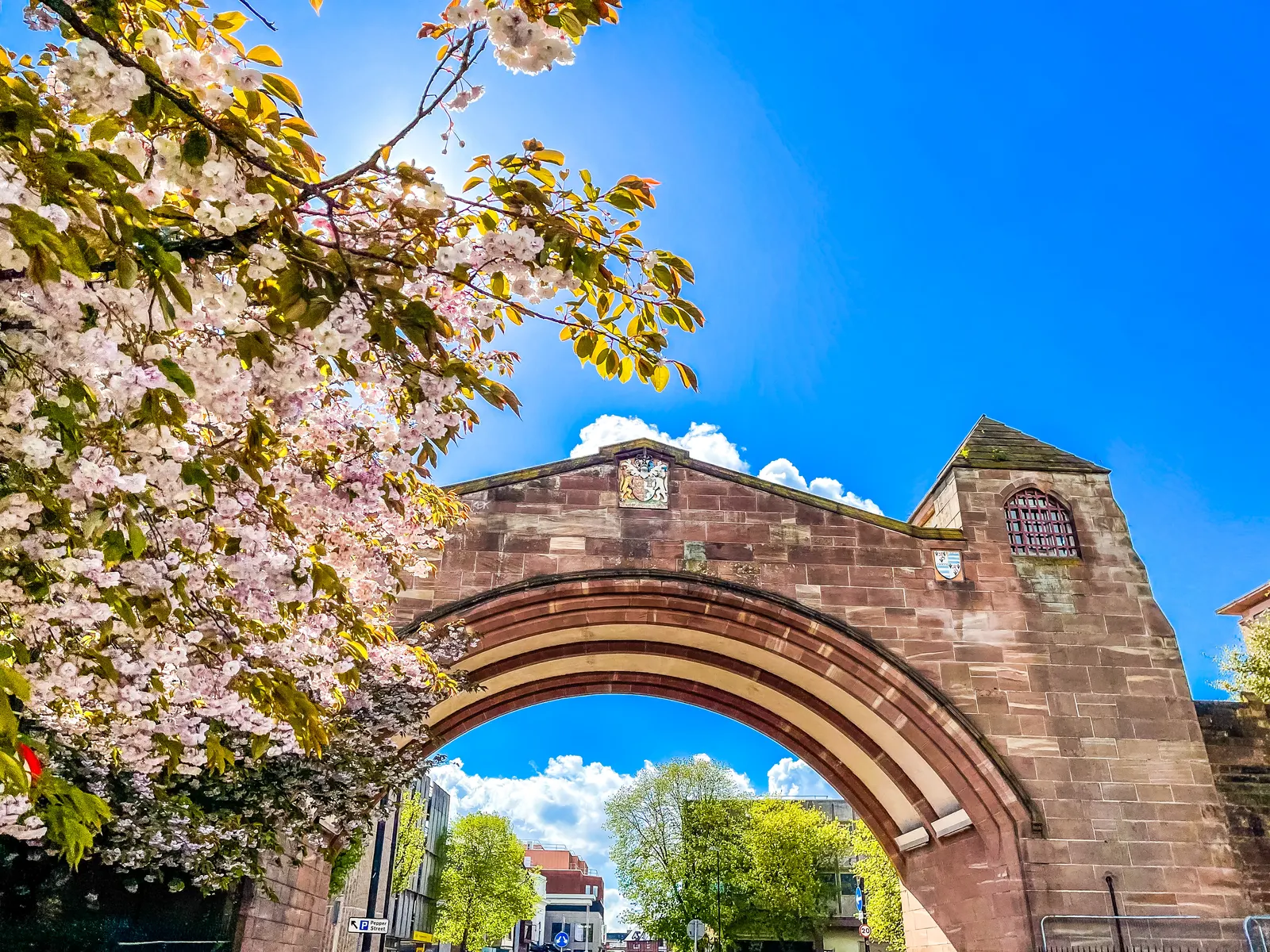
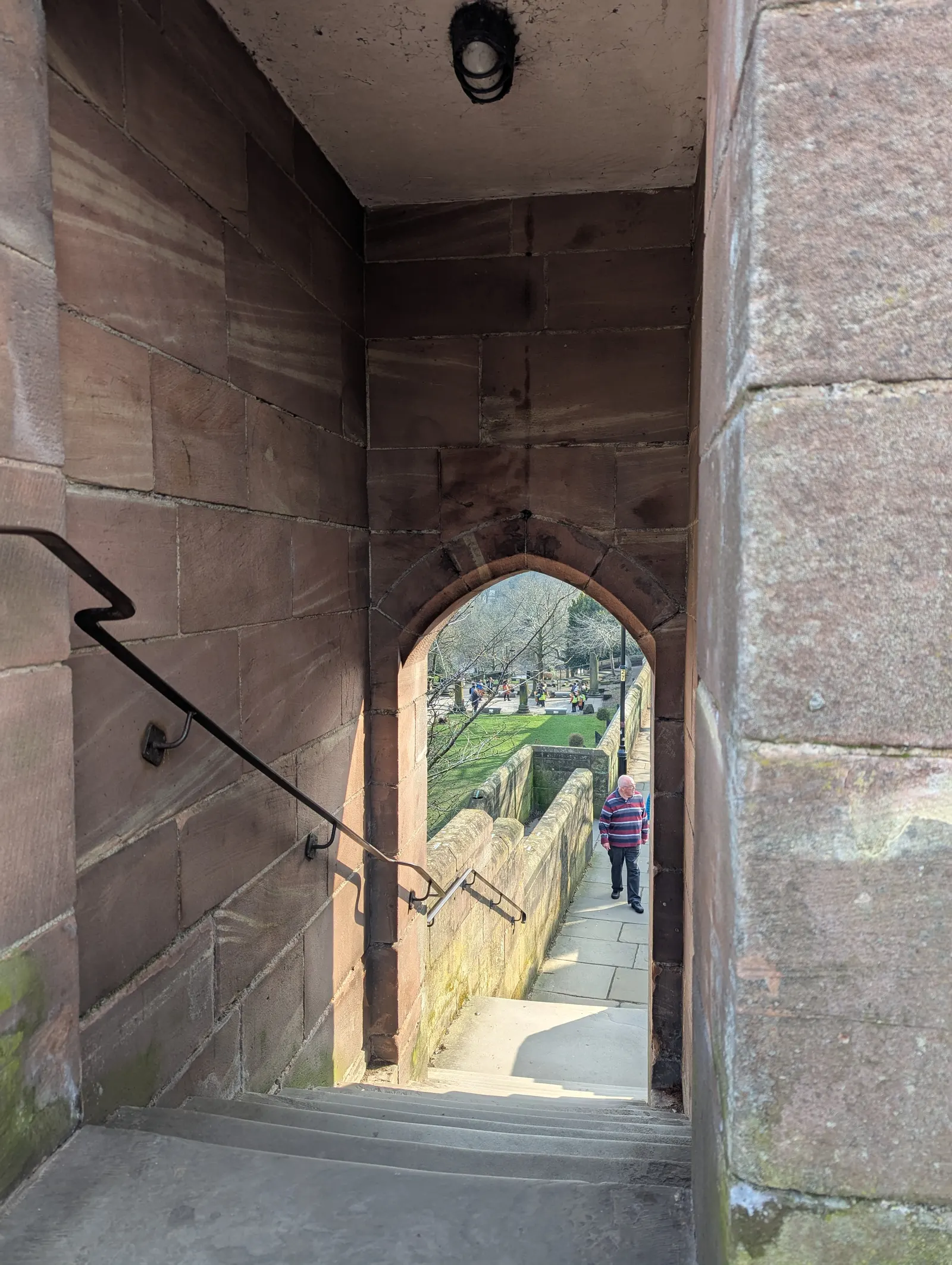
Start with a section of Chester's city walls, not necessarily the full circuit. The raised route helps the Roman fortress, later streets, racecourse and River Dee make sense together. Choose the way up and down before setting off, because the walls have steps, gradients and old surfaces.
A slower walker can take one section and meet the rest of the group at street level. Check the official walls trail for current closures. Repair work and events can change which section is available.
- Check current closures
- Choose an entry and exit
- Wear shoes for old or wet surfaces
- Stop after one useful section if that is enough
Roman Gardens and amphitheatre
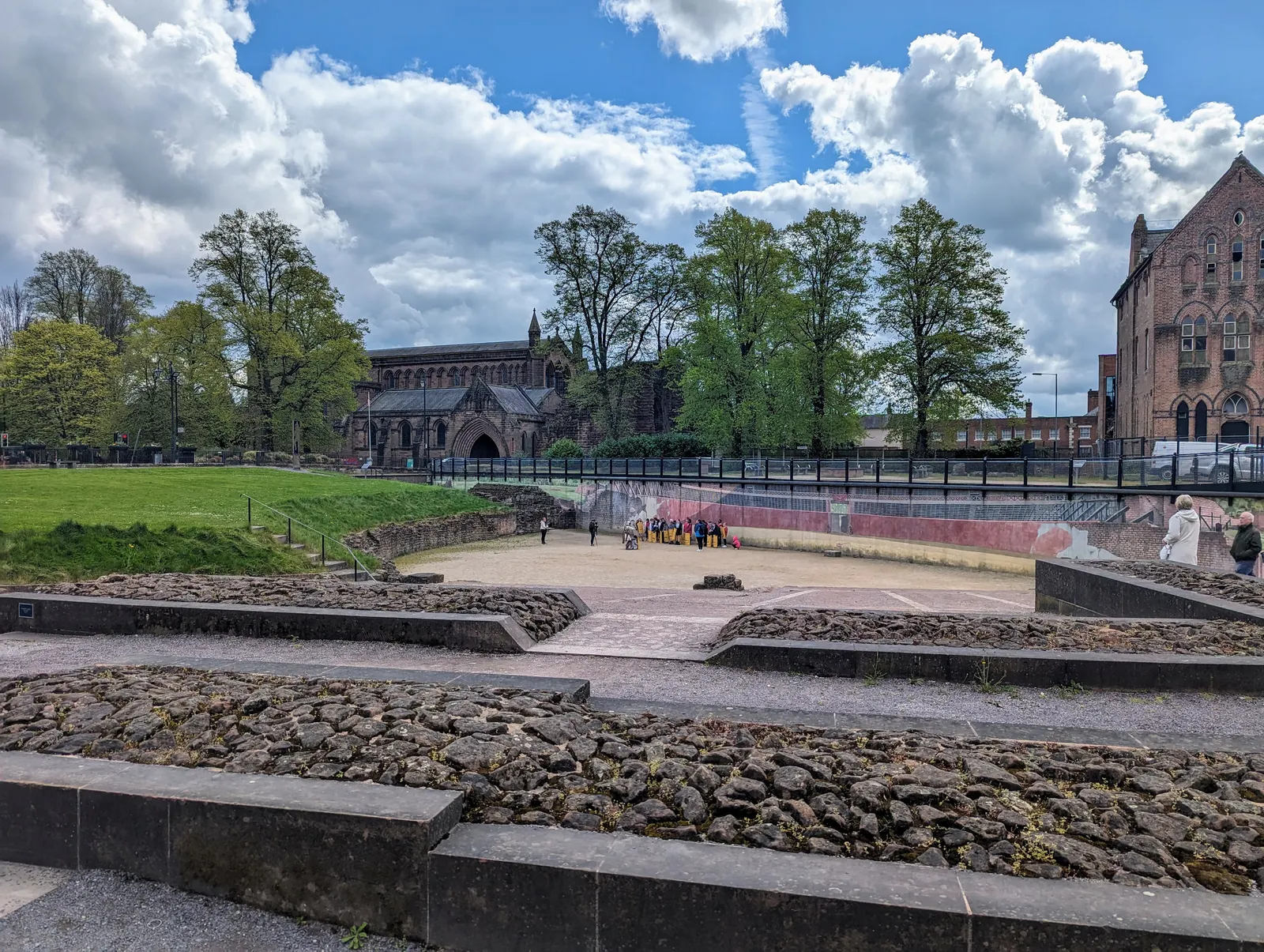
Continue towards the Roman Gardens and amphitheatre. The official Roman trail places the gardens, fortress remains and riverside route in the same walk. The amphitheatre stood outside the fortress, so seeing both helps explain the military settlement rather than treating the arena as an isolated ruin.
Only part of the amphitheatre is visible today. That limit matters. Pause at the excavated remains, look towards St John's, then stop for lunch. The morning has already told a complete Roman story.
Day one afternoon: the Rows
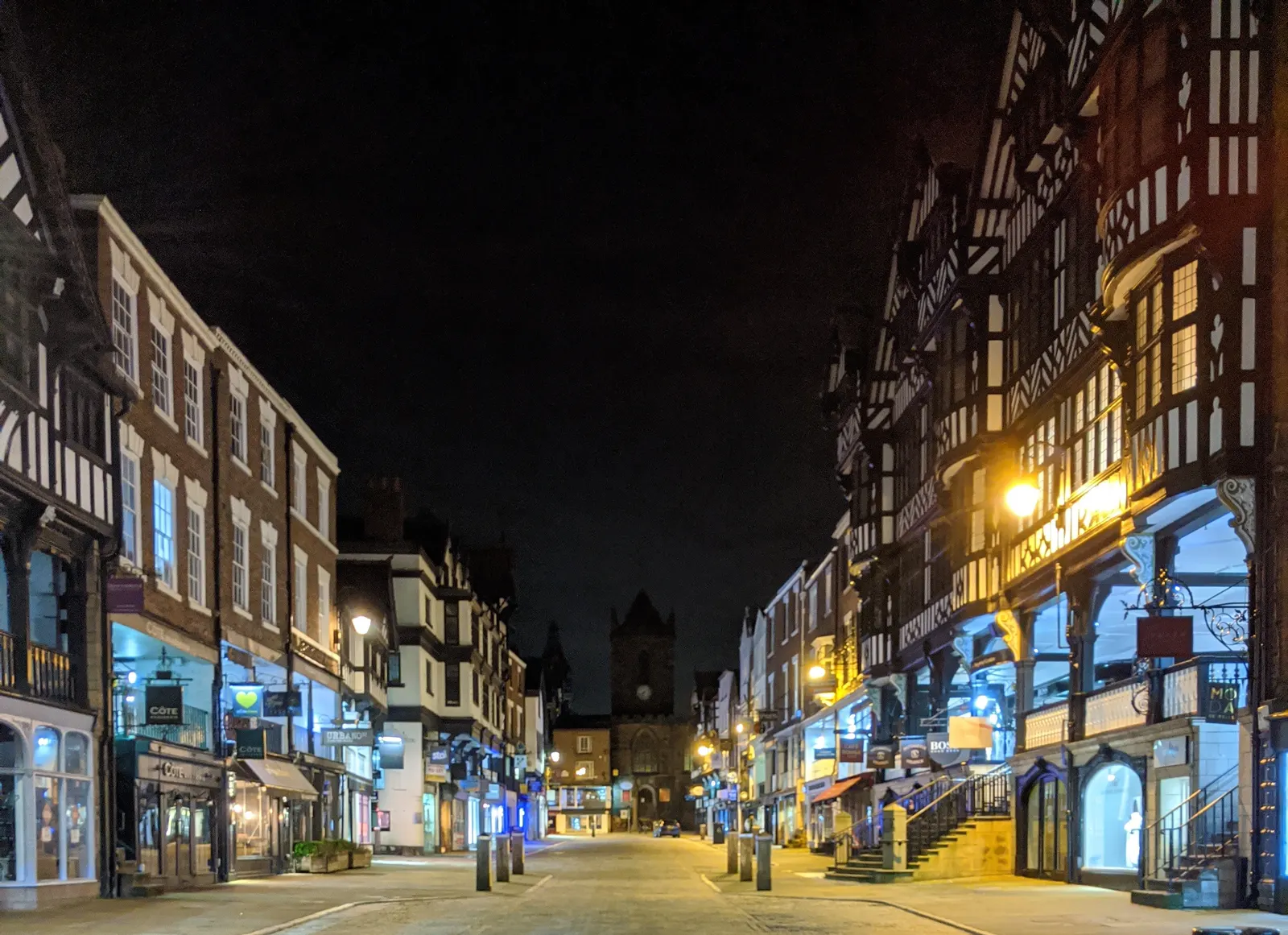
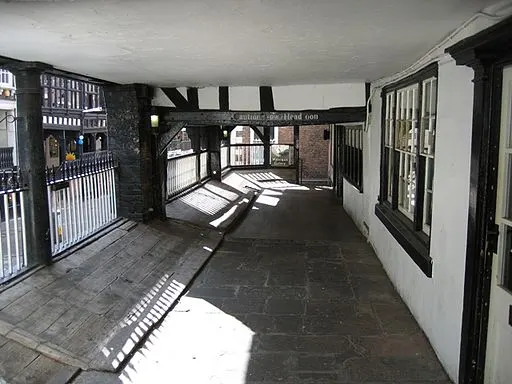
Move from Roman Chester into streets shaped by medieval plots and centuries of rebuilding. The Rows run as covered first-floor galleries along much of the four main historic streets. Walk a short stretch below, then return above where access suits you.
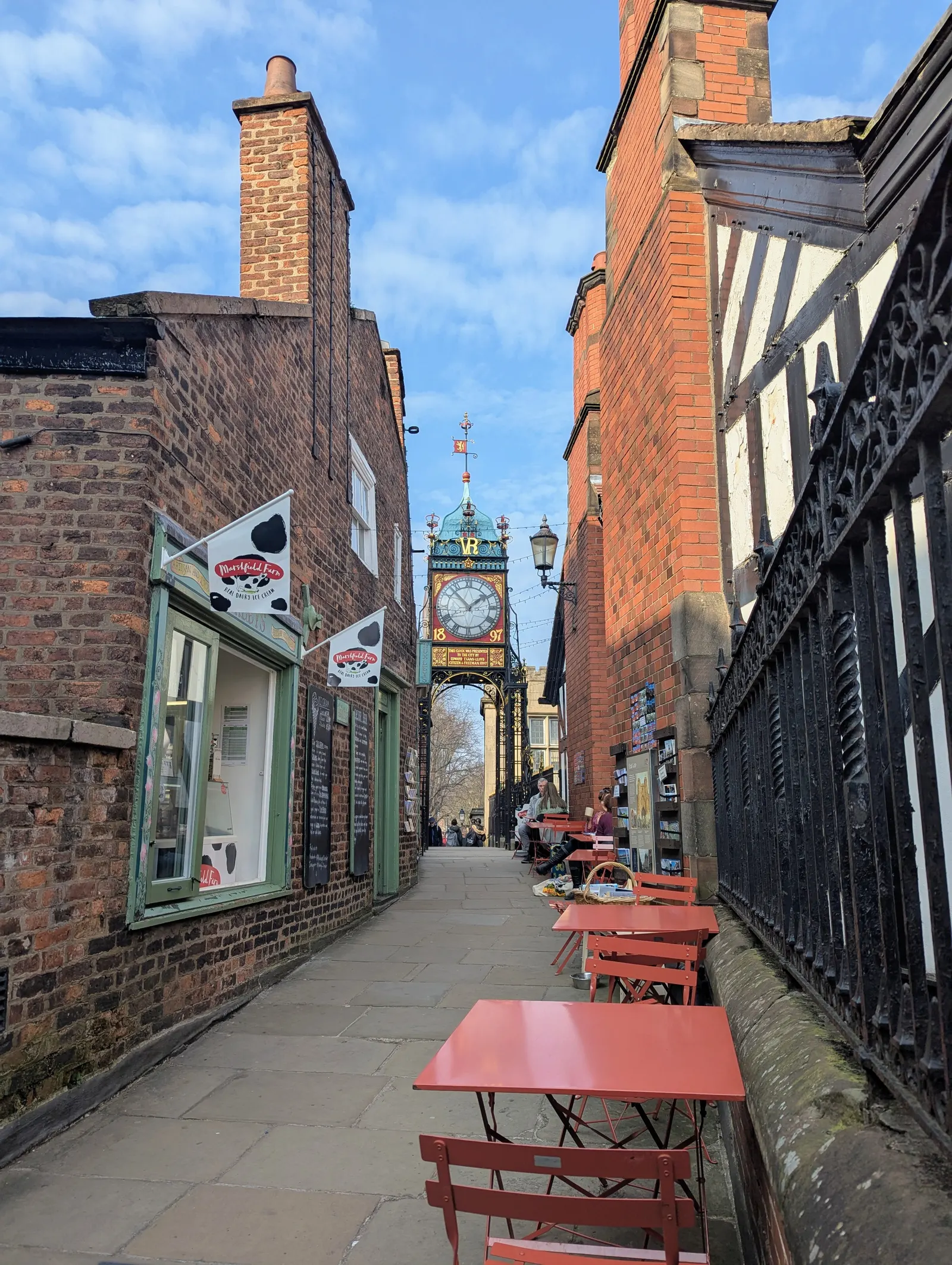
Look across at timber framing, sandstone, undercrofts and later shopfronts. They do not all belong to one date. Watergate Street, Bridge Street and Eastgate each offer enough detail, so choose one or two instead of collecting every street.
Day two morning: the Cathedral
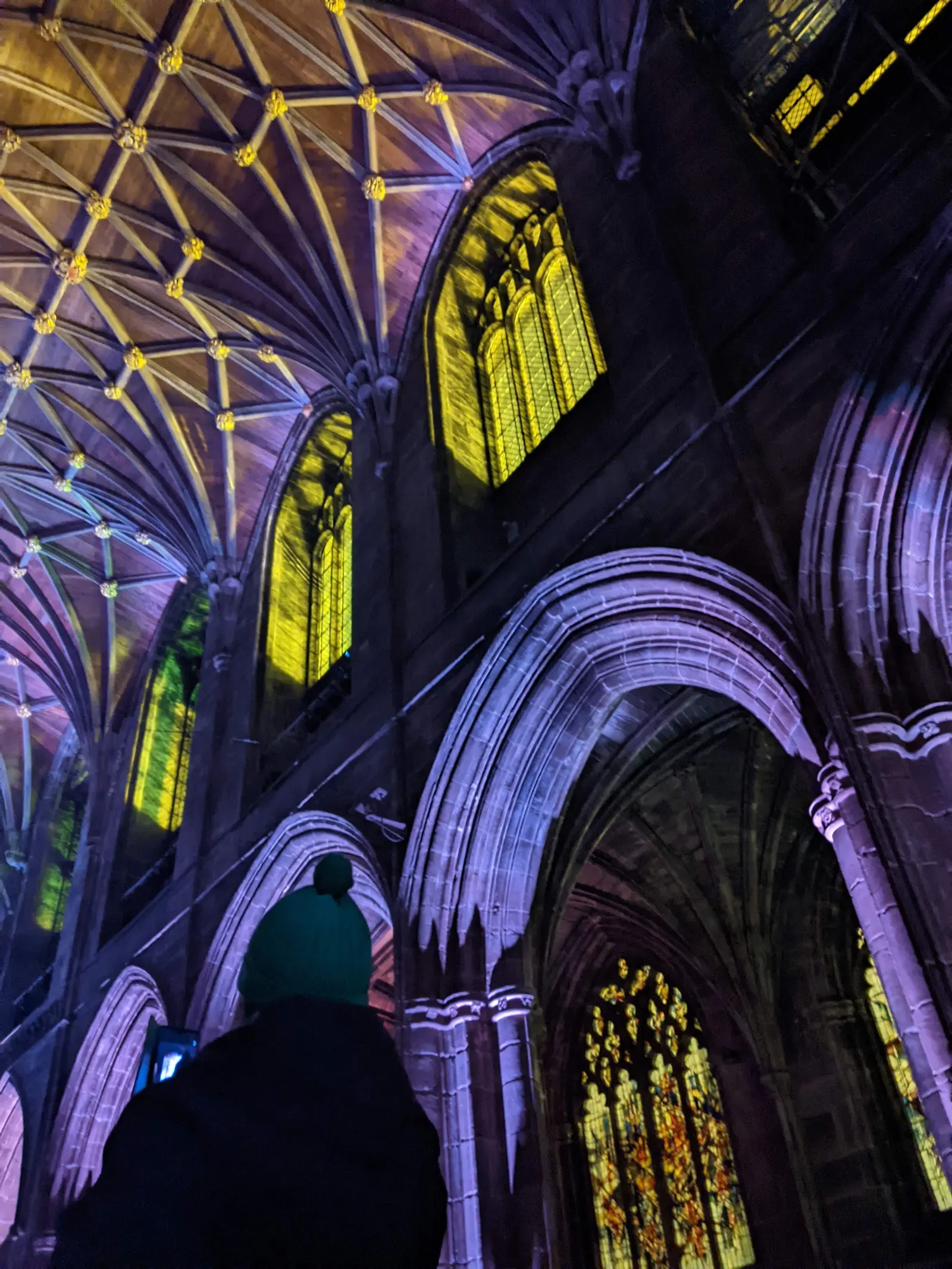
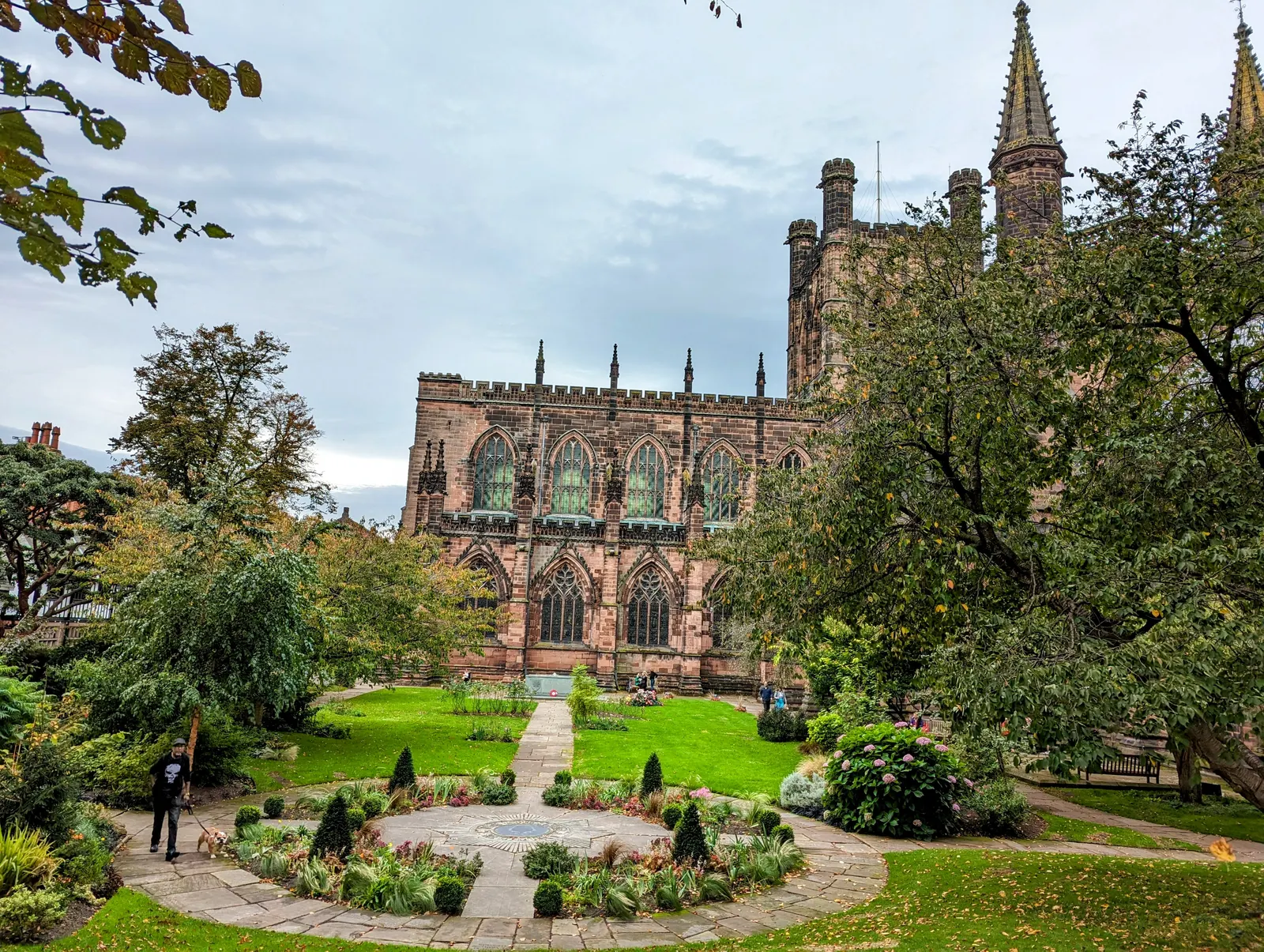
Chester Cathedral is a living place of worship with a layered building history. Its official history traces the site from Roman occupation and early churches through the Benedictine abbey founded in 1092, the Cathedral established in 1541 and later restoration.
You do not usually need to book, but services, closures, tours and seasonal charges can all affect access, so check the Cathedral's page that morning. Most of the route is accessible; a few areas have steps, and a ramp can be provided in some places.
- Allow time for the cloisters and interior
- Remember it remains a place of worship
- Check closures, tours and current charges
- Ask the Cathedral team about access details
Day two afternoon: a museum
The Grosvenor Museum can add archaeology, social history and art without sending the route out of the centre. Storyhouse offers a different kind of pause through its library, independent cinema and theatres. Choose the one that answers your interest or the weather.
Both need a current check. Museum opening days and exhibition access can change. Storyhouse's programme and building arrangements move too. If neither fits, spend longer in the Cathedral quarter and leave the afternoon open.
Finish by the River Dee
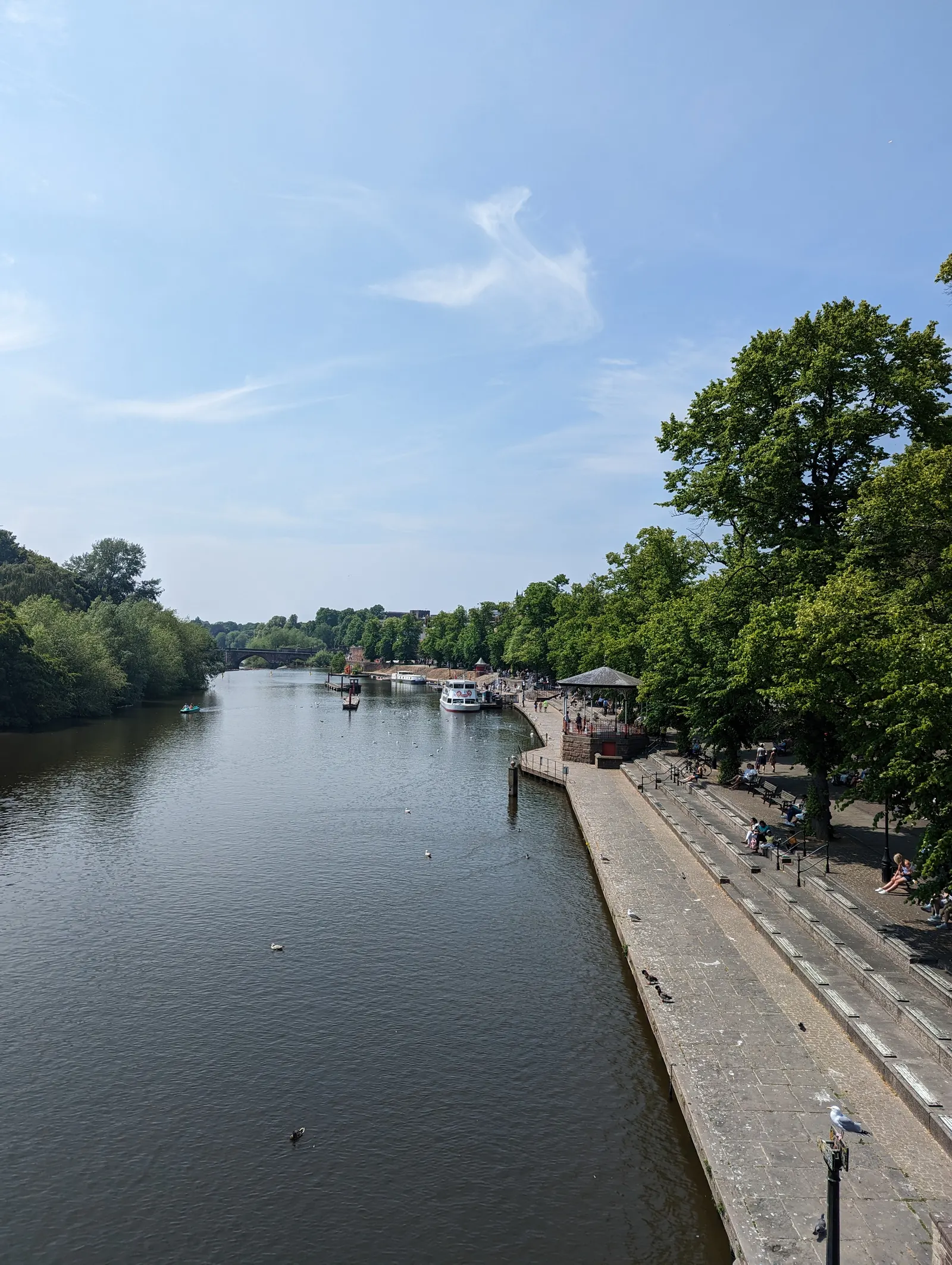
Walk towards the Groves or through Grosvenor Park. The river has carried trade, travel and leisure through Chester's story, but you do not need another date to enjoy the final stretch. A bench or short riverside walk gives the two days room to settle.
Grosvenor Park has surfaced paths, although the council notes gradients at its southern end. The Groves brings you closer to the river. Choose the finish that suits the group, then return to the house before the day becomes a test of endurance.

If plans change
Save the official walls, Cathedral, museum and Storyhouse pages. Reopen them close to the visit. A closed section or changed opening should alter one part of the day, not unravel the whole break.
For wet weather, shorten the walls and spend longer inside. For tired legs, keep the amphitheatre and Cathedral but drop the river finish. With children, use Grosvenor Park for a breather between historic stops.